
How to Design a Personal Logo That Fits You
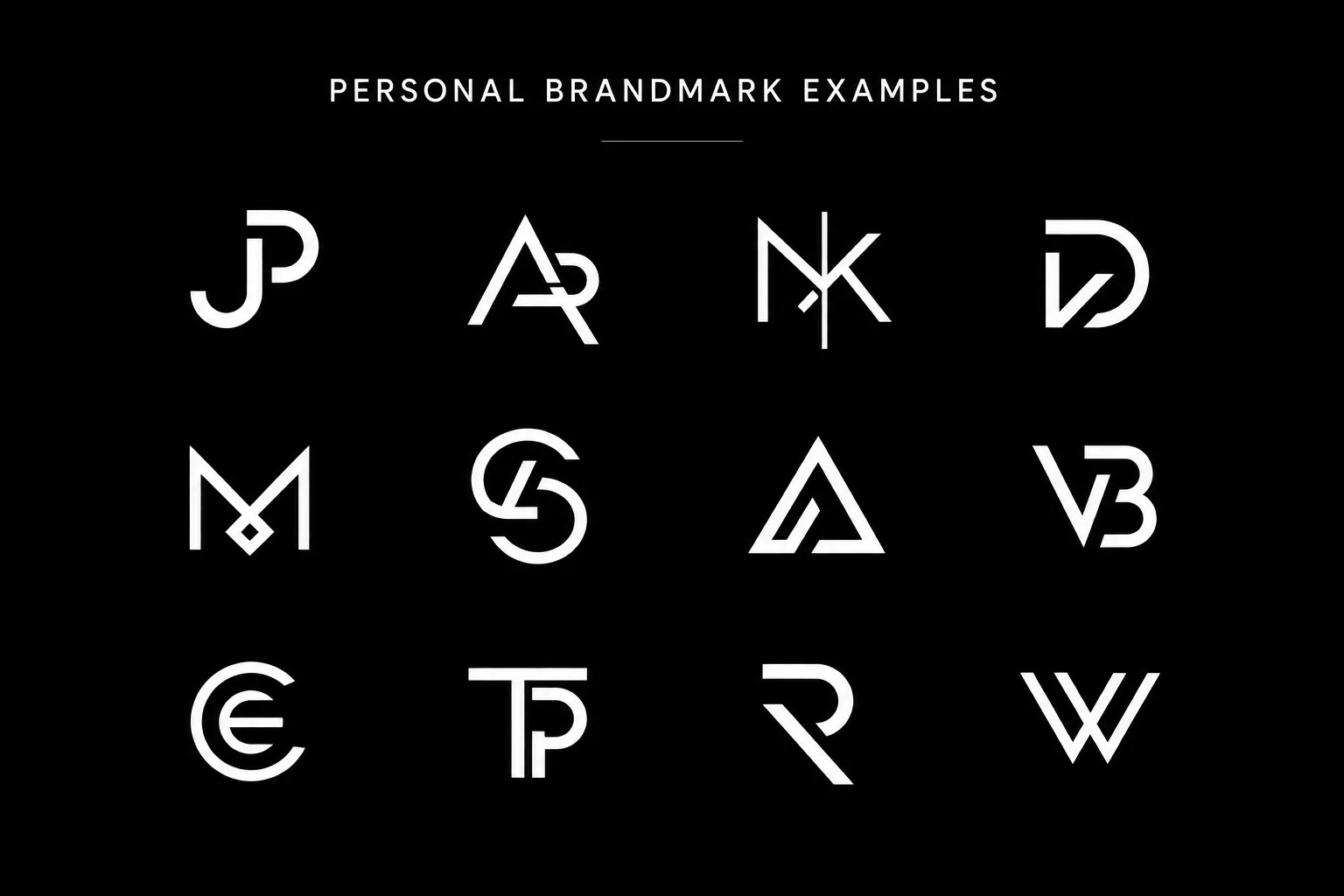

A company logo represents a product, a service, or a mission. A personal logo represents you, which sounds simpler until you sit down to design one and realize there’s no product to hide behind. The mark has to carry your name, your work, and some sense of who you are, and that’s a different design problem than most logo advice was written to solve.
How a Personal Logo Differs From a Business Logo
A business logo usually needs to work across a team, survive leadership changes, and represent something bigger than one individual. A personal logo answers to one person: you. That gives you more room to make it specific and less pressure to keep it broad enough for a future you can’t predict. It also means the logo can change as you do, without the weight of rebranding an entire company around it.
Three Directions Personal Logos Usually Take
- Your initials, styled as a monogram. Clean, professional, and works well for consultants, freelancers, and anyone whose full name is long or hard to fit into a small space.
- Your full name, styled as a wordmark. Straightforward and works well when your name itself is part of your brand, a writer, a coach, an artist working under their own name.
- A symbol paired with your name. Adds a distinct icon alongside a wordmark, useful if you want something recognizable on its own, separate from the text.
What to Figure Out Before You Start Designing
- What you want people to feel when they see your name. Established and serious, or approachable and creative? That answer shapes every design choice that follows.
- Where the logo will show up. A logo for a website favicon has different constraints than one going on a printed portfolio cover or a business card.
- How much your work might change. If you expect to pivot fields or add new offerings, a name-based mark tends to age better than one built around a specific skill or symbol.
Common Mistakes in Personal Logo Design
- Copying a trend instead of a direction that fits you. A style that’s popular right now can date quickly and rarely says anything specific about you.
- Making it too literal. A photographer’s logo doesn’t need a camera icon. Your name, styled well, often communicates more than an obvious symbol.
- Skipping the file formats you’ll need later. A personal logo still needs a vector source file and web-ready versions, not only one exported image.
- Designing only for a screen. If you’ll ever print a business card, a portfolio, or signage, test how the logo holds up outside a monitor before finalizing it.
DIY vs. Hiring a Designer for a Personal Logo
A free logo maker can produce something serviceable fast, and for a very early-stage project, that’s a reasonable place to start. Once your name or work starts getting real attention, a template-based mark tends to look exactly like what it is: generic. A designer working from your actual story produces something that fits you specifically, not a shape thousands of others are also using. This breakdown of logo design cost covers pricing across both options, and the ranges apply the same way to a personal project as they do to a business one.
Where to Start If You’re Not Sure What You Want
You don’t need a fully formed vision before reaching out. This explanation of hiring a designer without a business covers what you need before that first conversation, which is less than most people assume. A designer can work from a rough direction and a few examples of styles you like, then narrow from there.
Frequently Asked Questions
Should my personal logo use my full name or my initials?
Depends on length and how you’re known. A short, memorable name often works well as a wordmark. A longer name may read cleaner as a monogram, especially for small applications like a favicon.
How much does a personal logo cost?
The same range as a standalone business logo, typically $300 to $1,500 with an independent designer. Cost depends more on process and deliverables than on whether the client is a person or a company.
Can I use the same personal logo if I eventually start a business?
Often, yes, especially if your personal brand and business are closely tied, like a consultant or a creator. If the business grows into something distinct from you personally, it may eventually need its own separate mark.
Do I need a personal logo if I already have a professional headshot and bio?
Not strictly, but a logo gives you something consistent to use across a website, social profiles, and printed materials in a way a photo alone can’t, particularly for text-based platforms and documents.
Designing a Mark That Represents You
A personal logo works best when it comes from something specific about you, your name, your work, your tone, rather than a trend or a template. Get that part right and the mark holds up as your work grows and changes, instead of needing a redo every time your direction shifts.
If you’re ready for a logo built around your actual story, take a look at my branding and visual identity services, or get in touch to start the conversation.
Let's Talk About Your Project
Fill out the form with a few details about your project, and I'll get back to you with the next steps.